impact
about
our story
explore our impact
careers and opportunities
join us
open science
sharing science to speed discovery
open science week
celebrating open science
team science
people & teams
discovery is a team effort
allenites
the people who make our work possible
advisors
their input shapes our science
board of directors
they help us fulfill our mission
shanahan foundation fellowship
at the interface of data and neuroscience
next generation leaders
fostering emerging leaders in bioscience
research
overview
our approach
science at the scale of greatest impact
publications
explore our publications
open science
sharing science to speed discovery
science accelerators
brain science
building a blueprint of the brain
cell science
understanding how cells become organs
neural dynamics
revealing the brain’s hidden algorithms
immunology
creating the ultimate immune system reference
synthetic biology
seattle hub for synthetic biology
education
overview
science education
science is for everyone
open science
sharing science speeds discovery
engagement
education resources
real science. real skills.
field trips
experience science where it happens
educator development
empowering educators
news
overview
all news
explore the latest news
podcast
the human stories behind discovery
sign up for our newsletter
stay connected to our science
events
overview
all events
public engagement, workshops, seminars and more
conferences
connect with us
science resources
science resources
allencell.org
allenimmunology.org
allenneuraldynamics.org
brain-bican.org
brain-map.org
microns-explorer.org
impact
back to menu
team science
our story
explore our impact
careers and opportunities
join us
open science
sharing science to speed discovery
open science week
celebrating open science
team science
people & teams
discovery is a team effort
allenites
the people who make our work possible
advisors
their input shapes our science
board of directors
they help us fulfill our mission
shanahan foundation fellowship
at the interface of data and neuroscience
next generation leaders
fostering emerging leaders in bioscience
research
back to menu
overview
our approach
science at the scale of greatest impact
publications
explore our publications
open science
sharing science to speed discovery
science accelerators
brain science
building a blueprint of the brain
cell science
understanding how cells become organs
neural dynamics
revealing the brain’s hidden algorithms
immunology
creating the ultimate immune system reference
synthetic biology
seattle hub for synthetic biology
education
back to menu
overview
science education
science is for everyone
open science
sharing science speeds discovery
engagement
education resources
real science. real skills.
field trips
experience science where it happens
educator development
empowering educators
news
back to menu
overview
all news
explore the latest news
podcast
the human stories behind discovery
newsletter
stay connected to our science
events
back to menu
overview
all events
public engagement, workshops, seminars and more
conferences
connect with us
science resources
back to menu
science resources
allencell.org
allenimmunology.org
allenneuraldynamics.org
brain-bican.org
brain-map.org
microns-explorer.org
search
impact
people

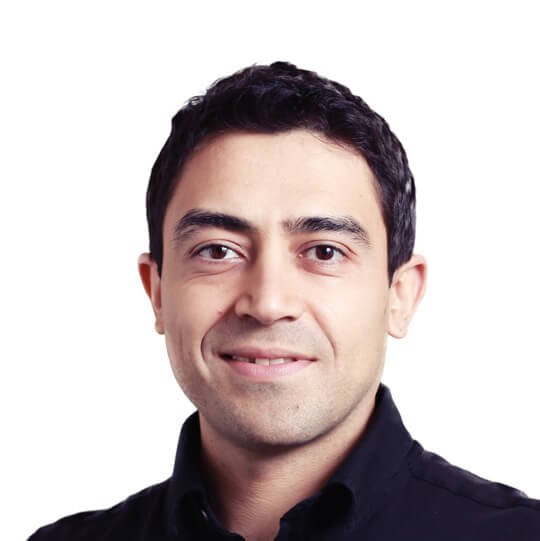
Uygar Sümbül

Associate Investigator

teams /
Allenite

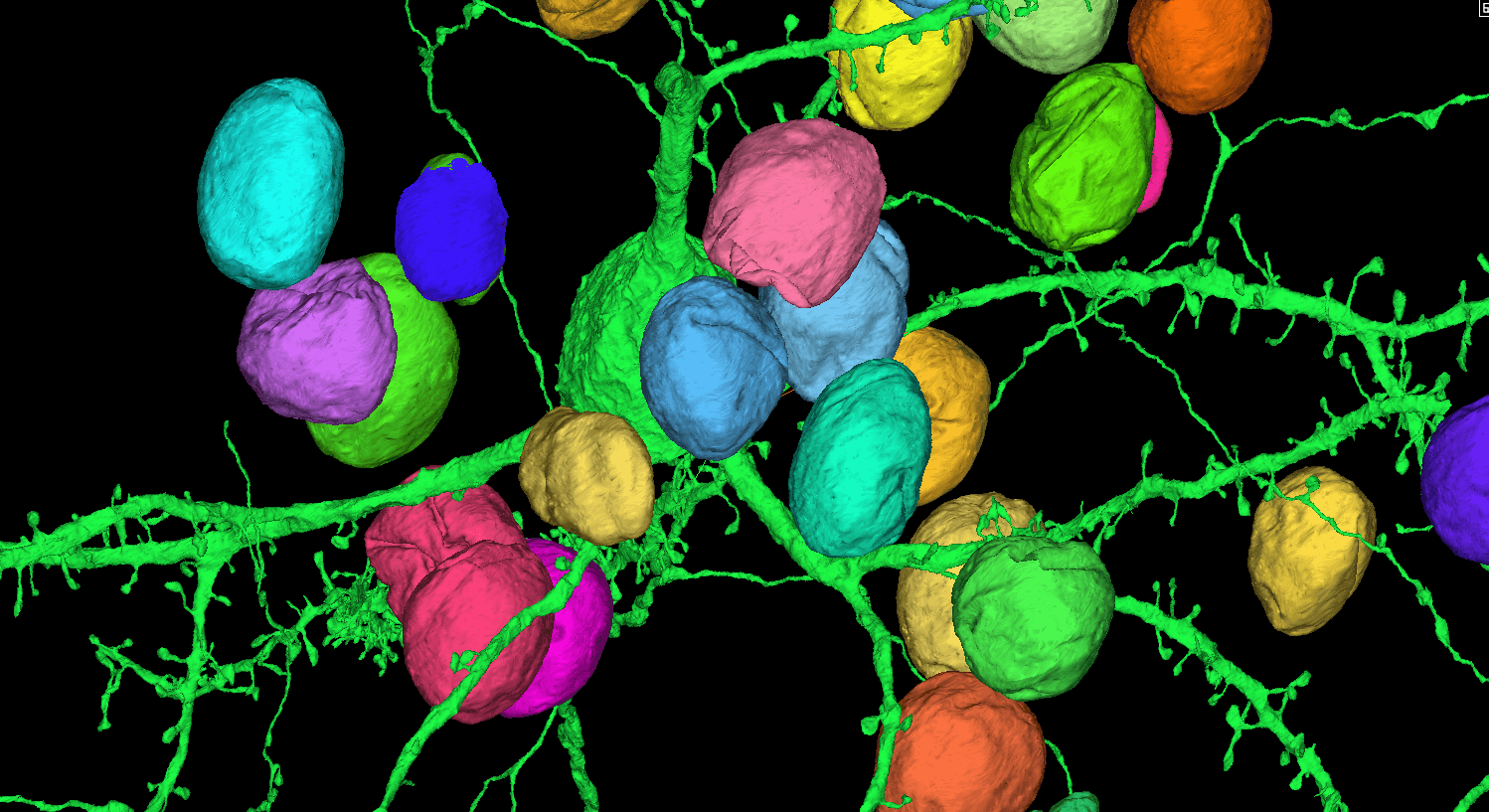
Uygar Sümbül joined the Allen Institute as an Assistant Investigator in 2017. His current research at the Institute focuses on the modeling and analysis of neuronal cell type identity based on genetic, anatomical, and physiological data. Previously, Uygar held postdoctoral positions in Sebastian Seung’s lab at MIT, and Liam Paninski’s lab at Columbia University. During these appointments, he developed machine learning methods for multi-modal classification of cell types, and for segmenting individual neurons in multispectral images of the nervous tissue. In particular, his research demonstrated a submicron reproducibility in the anatomy of mouse retinal neurons, and the existence of a consistent mapping between anatomical and molecular definitions of cell types. Uygar received a Bachelor’s degree from Bilkent University (Ankara, Turkey). He earned his PhD in Electrical Engineering and Mathematics from Stanford University, where he studied time-series models of dynamic magnetic resonance imaging.

research focus

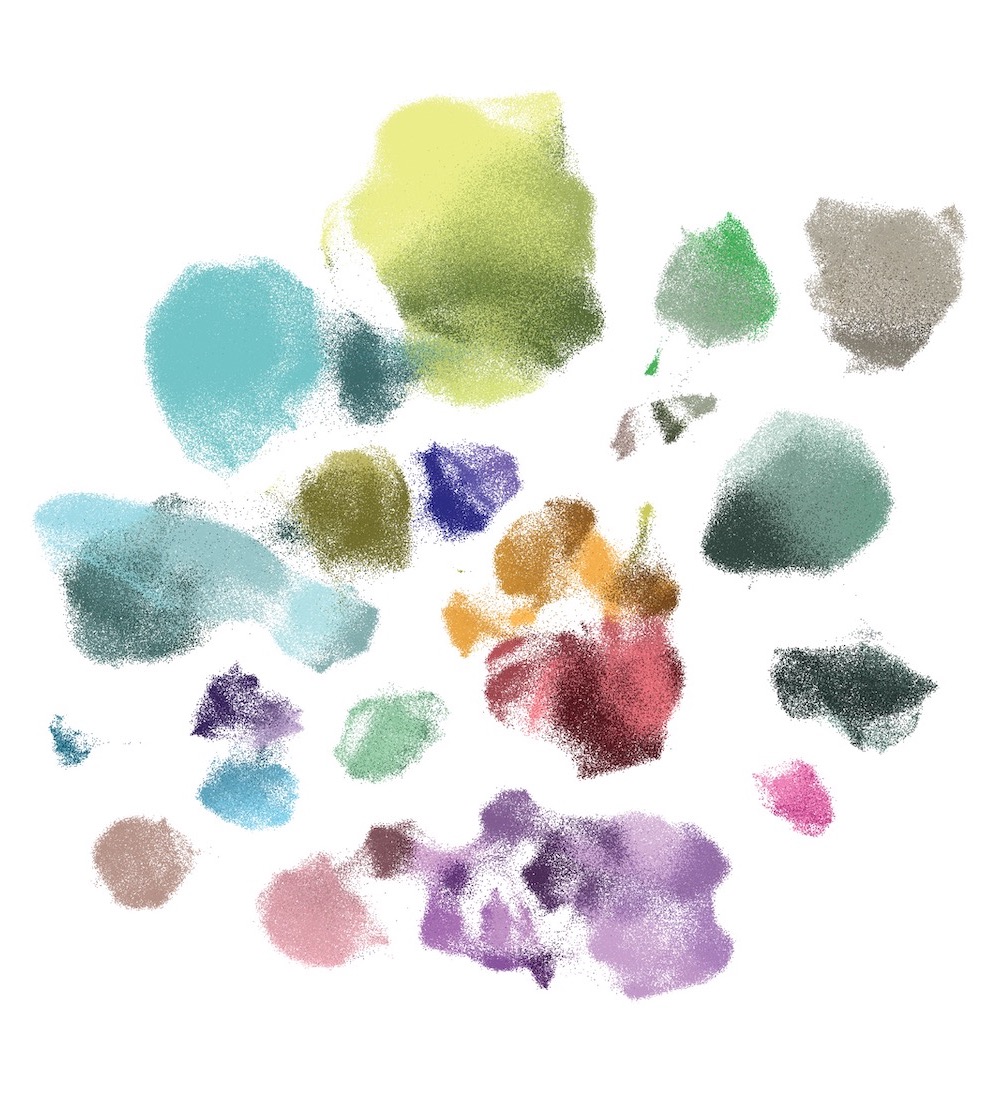
What defines a neuronal cell type is a long-standing problem in Neuroscience. It is not always clear whether consistent identities can be assigned to neuronal populations across anatomical, molecular, and physiological observations. Uygar’s research tries to address these problems using the multi-modal observations of cortical neurons obtained at the Institute. He develops machine learning methods for classification that take advantage of these large, high-quality datasets. Uygar is also broadly interested in the anatomical organization of the cortex and how this pertains to neuronal identity.
back to people and teams
featured contributions
featured media
featured stories
featured events
featured publications

featured events

No articles for the category

featured stories

news
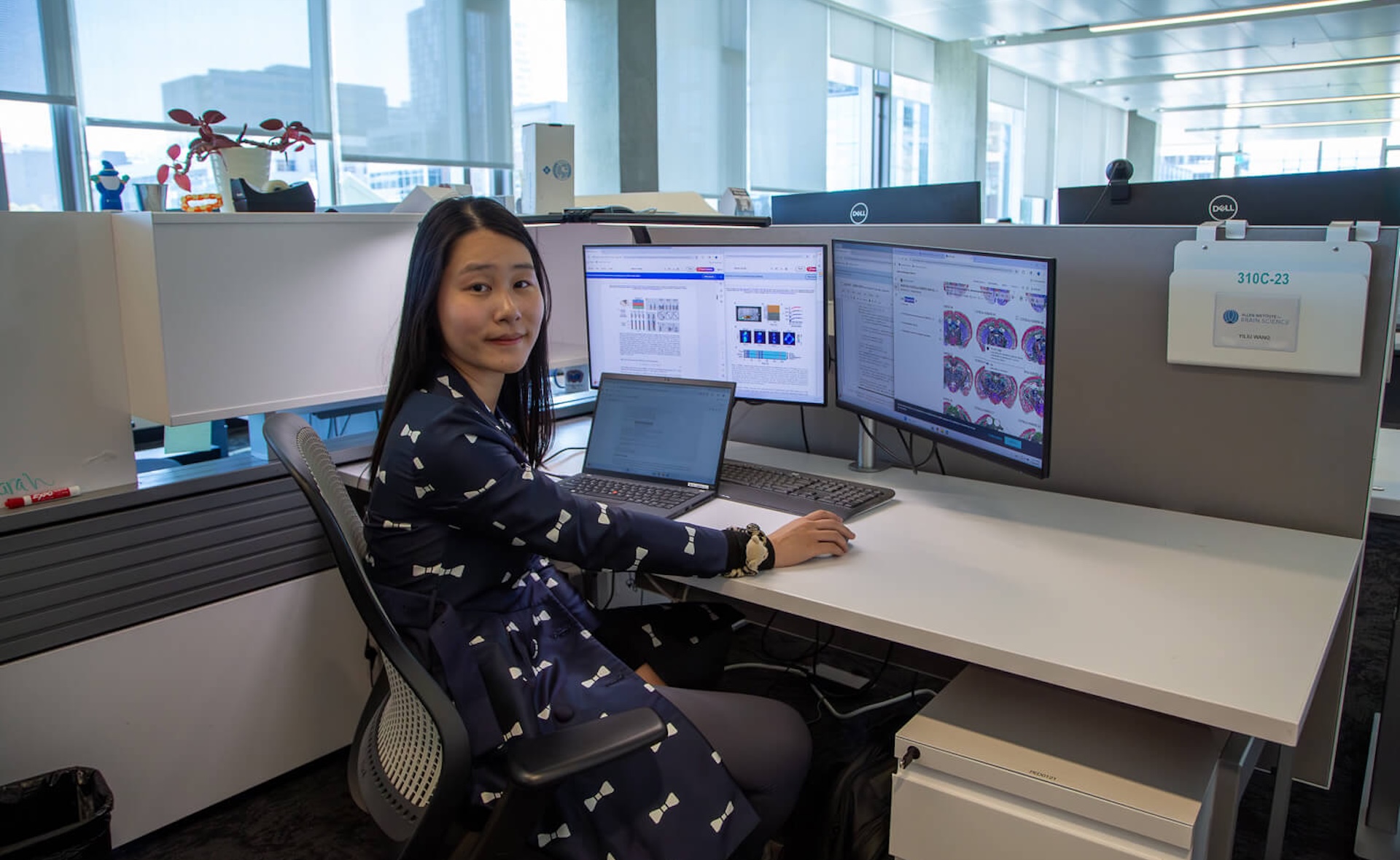
Making connections
How Yiliu Wang's found her place in neuroscience during the Shanahan Fellowship.
news
New AI method sheds light on brain cell diversity
Researchers develop a machine learning approach to classify brain cells more precisely, which could aid studies into their role in health and disease.
news
Projects launch to map brain connections in mouse and macaque
NIH BRAIN Initiative-funded research will lay the groundwork to map entire brains in incredible detail

featured media

No articles for the category

featured publications

publication / 2025
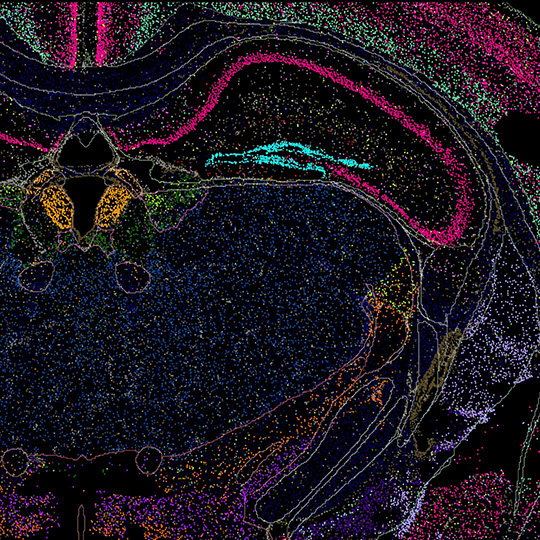
Evidence from spatial transcriptomics for the mosaic hypothesis and pure cell types in the cortex
Cell Reports
publication / 2025
Layer-specific input to medial prefrontal cortex is linked to stress susceptibility
Translational Psychiatry
publication / 2024
Joint inference of discrete cell types and continuous type-specific variability in single-cell datasets with MMIDAS
Nature Computational Science
publication / 2024
High-throughput analysis of dendrite and axonal arbors reveals transcriptomic correlates of neuroanatomy
Nature Communications
publication / 2023
Predictive and robust gene selection for spatial transcriptomics
Nature Communications
publication / 2022
Single-neuron models linking electrophysiology, morphology, and transcriptomics across cortical cell types
Cell Reports
publication / 2021
Cell-type-specific neuromodulation guides synaptic credit assignment in a spiking neural network
Proceedings of the National Academy of Sciences of the United States of America
publication / 2021
Consistent cross-modal identification of cortical neurons with coupled autoencoders
Nature Computational Science
publication / 2020
Integrated Morphoelectric and Transcriptomic Classification of Cortical GABAergic Cells
Cell
publication / 2020
New light on cortical neuropeptides and synaptic network plasticity
Current Opinion in Neurobiology
publication / 2020
Whole-Neuron Synaptic Mapping Reveals Spatially Precise Excitatory/Inhibitory Balance Limiting Dendritic and Somatic Spiking
Neuron
publication / 2019
Single-cell transcriptomic evidence for dense intracortical neuropeptide networks
eLife
we acceleratedevelopcatalyzeimpact

science done differently. shared openly.

explore our accelerators

brain science

Mapping every cell, connection, and circuit in the brain—openly shared with the world.

cell science

Decoding how cells become tissues, then programming that knowledge into powerful new research tools.

neural dynamics

Revealing the brain's hidden algorithms that transform neural activity into real-world behavior.

immunology

Creating the deepest open reference for the healthy human immune system ever built.

synthetic biology

Engineering cells to record their own histories, transforming how we understand disease over time.

research

Big questions, open answers, and science built to be shared.

education

Inspiring the next generation of scientists through open science resources.

impact

Our science is empowering researchers and advancing health worldwide.
advancing science through open, collaborative research
Get the allen institute newsletter
Stay informed on the latest breakthroughs in neuroscience, bioscience, and AI-driven research.
allen institute
impactpeople & teamscareers & opportunitiesalumnihistory & founder
science resources
allencell.orgallenimmunology.orgallenneuraldynamics.orgbrain-bican.orgbrain-map.orgmicrons-explorer.org
research
brain sciencecell scienceneural dynamicsimmunologysynthetic biologypublications
education
science educationfield tripsprofessional developmenteducation resources
quick links
newseventsopen sciencepodcastscience resourceshuman brain donationvisit uscontact
follow us/

allen institute, 615 Westlake Ave North, Seattle, WA 98109 +12065487055

© 0000 allen institute. all rights reserved.
privacy policyterms of usecitation policyemployee portalpolicy & compliancecookie settings