Jonathan Ting
Investigator, Associate

biography
Jonathan serves as an associate investigator in the Brain Health accelerator where he guides strategy on platform technologies and applications to disease focus areas in the Precision Medicine Program. He is a close collaborator and strategic advisor to the Electrophysiology and Modeling team and co-leads efforts spanning these two pillars. Jonathan additionally holds affiliate appointments as Scientist in the WA National Biomedical Research Center and Associate Professor in the Department of Neurobiology and Biophysics at the University of Washington, Seattle.
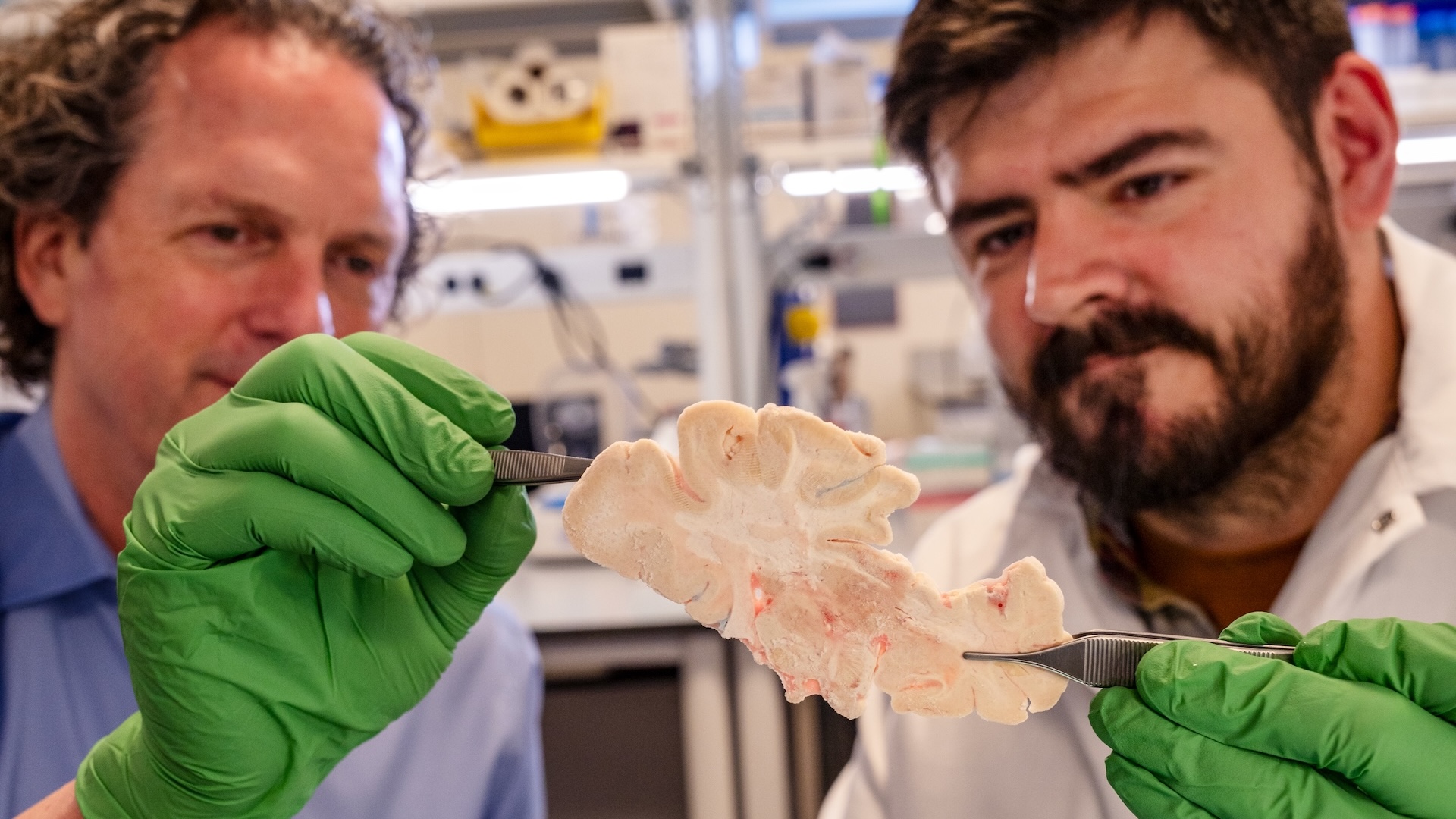
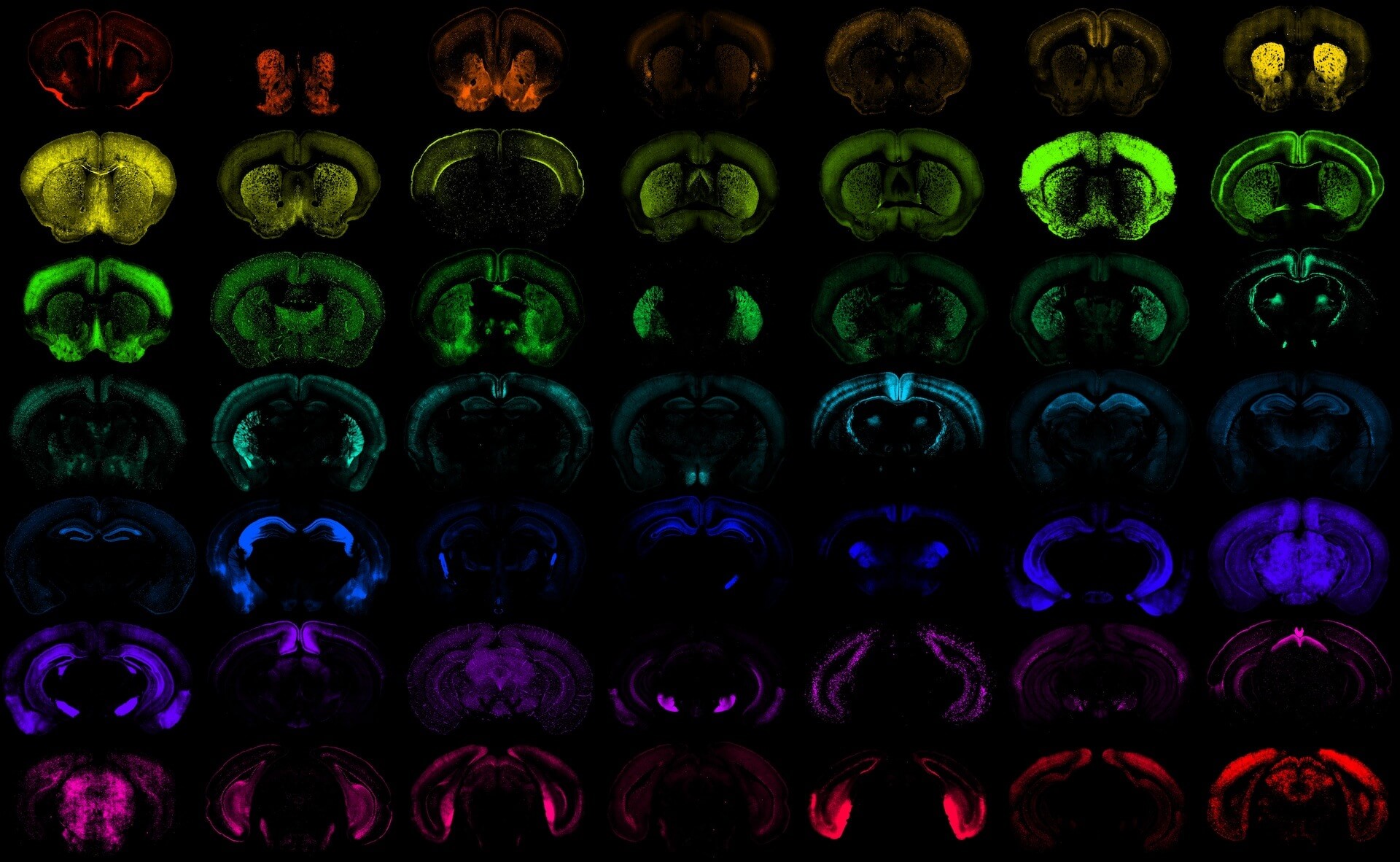
Jonathan originally joined the Allen Institute in 2013. He led the early development, proof of concept and scaling of human and non-human primate ex vivo brain slice single neuron recording pipelines, as well as the viral genetic tools pipeline. As a former project lead and stakeholder, he contributed to key Allen Institute open access resources including the Allen Cell Types Database and Genetic Tools Atlas. The novel brain cell type targeting viral tools created through these Institute efforts have been used by Jonathan and team to characterize the signature properties of diverse brain cell types in basic research and preclinical applications and shared broadly with the research community through Addgene.
Prior to joining the Allen Institute Jonathan earned a BS in Biological Sciences from the University of California, Davis and a PhD in Neurobiology & Behavior from the University of Washington, Seattle. In his postdoctoral fellowships at Duke University and the McGovern Institute for Brain Research at MIT, Jonathan studied the neural circuitry basis of psychiatric disorders including autism spectrum disorders (ASDs) and OCD in genetic mouse models and pioneered improved methods for brain tissue preservation and adult and aging animal patch-clamp recording that were later adopted by the Allen Institute for large-scale single neuron recording pipelines applied to mouse, macaque, and human ex vivo brain tissue.